
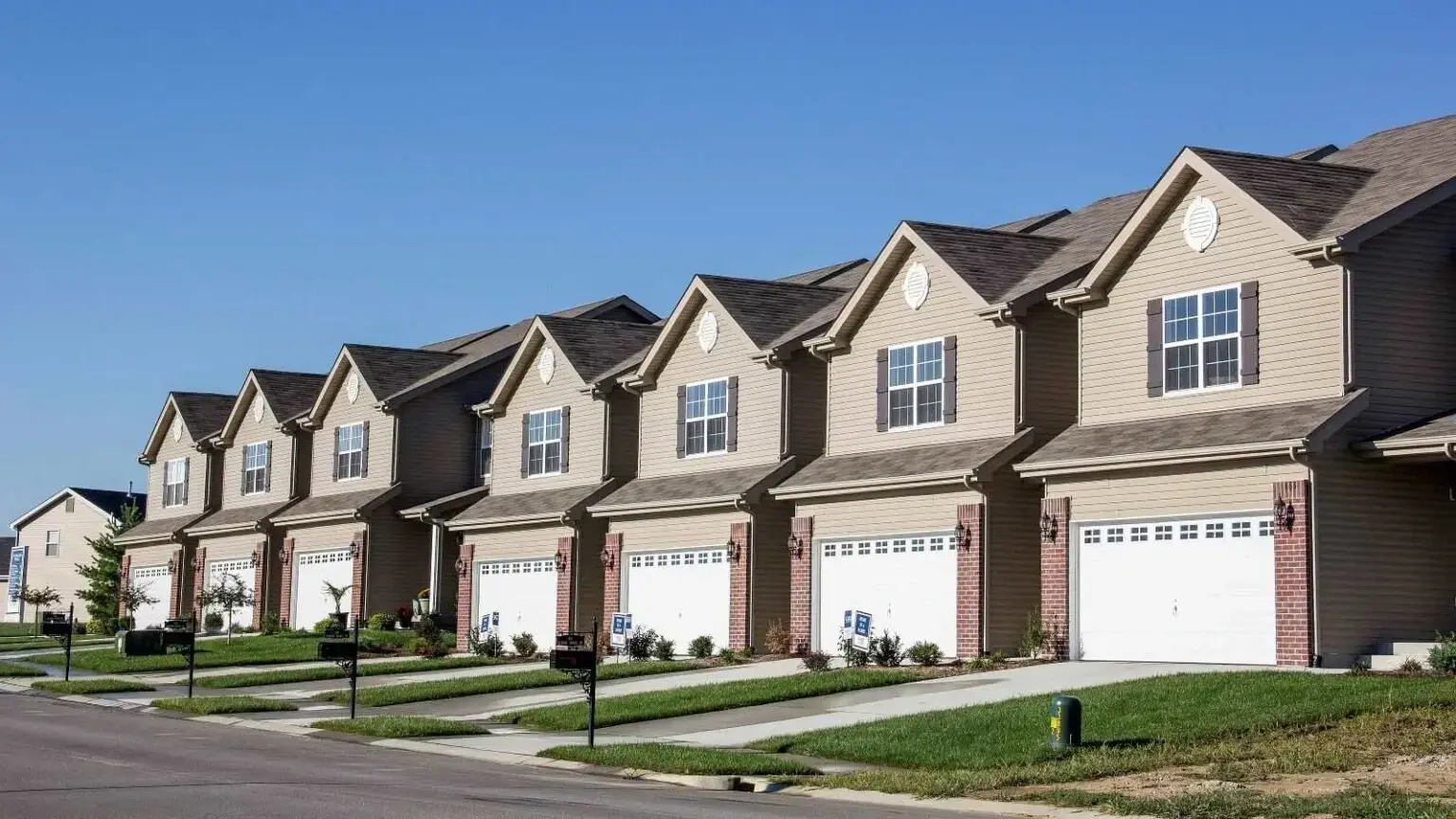
Every time a tree is cut down to make way for a new development, the world loses not just a part of its natural beauty but a vital ally in the fight against climate change. As cities expand and the demand for housing and infrastructure grows, striking a delicate balance between land development and environmental preservation becomes more crucial than ever. Picture this: an explosion of construction projects, each one carving away at our green spaces, replacing them with concrete and steel. It’s an unsettling vision, yet it raises an important question: can we truly achieve sustainable development without sacrificing our planet’s lungs?
In this tangled web of climate change and urban expansion, the role of trees emerges as both a challenge and a solution. They are silent warriors, diligently absorbing carbon dioxide, providing oxygen, and offering a cooling shade. Yet, their value is often overshadowed by the relentless pace of urbanization. As we explore the complexities of land development, understanding the importance of maintaining this equilibrium not only helps preserve our environment, but also ensures a sustainable future for generations to come.
The Impact of Land Development on Climate Change
The surge in land development projects worldwide has delivered economic growth but also intensified the global challenge of climate change. When forests, wetlands, and grasslands are cleared for residential, commercial, or industrial uses, the carbon stored in trees and soil is released into the atmosphere, exacerbating greenhouse gas concentrations. Moreover, the replacement of permeable surfaces with concrete and asphalt increases surface temperatures, contributing to urban heat islands that demand more energy for cooling and amplify carbon emissions.
Beyond carbon release, land development often disrupts natural water cycles. As vegetation is removed, rainfall runs off more quickly, heightening flood risks and reducing groundwater recharge. These changes in hydrology intensify weather extremes; stormwater surges in some areas and drought in others, further destabilizing the climate. The cumulative effect is a feedback loop: land development accelerates climate change, and climate change, in turn, exacerbates the challenges of managing land and water resources. Finding a balance between growth and conservation is critical to mitigate these impacts and protect both human and natural systems.
The Vital Role of Trees in Mitigating Climate Change
Trees are indispensable allies in the fight against global warming. Through photosynthesis, they absorb carbon dioxide (a primary driver of climate change), and sequester carbon in their trunks, roots, and leaves. Mature forests can store enormous amounts of carbon for centuries, making them one of the most effective nature-based solutions to curb greenhouse gas buildup. Additionally, trees release oxygen, improve soil health, and foster biodiversity by providing habitat for countless species.
Beyond carbon storage, trees offer critical cooling benefits. In urban environments, shaded areas beneath tree canopies can be up to 10°F cooler than sun-drenched surfaces. This natural shade reduces the demand for air conditioning, lowering energy consumption and associated carbon emissions. Trees also filter airborne pollutants, improving air quality and delivering public health benefits. By integrating timberland and greenery into development plans, planners can harness these multiple ecosystem services to create healthier, more resilient communities.
Challenges Faced by Trees in Urban Environments
Urban settings pose significant obstacles for tree survival and growth. Limited soil space, compacted ground, and restricted rootability can stunt development and reduce the longevity of urban trees. Construction activities often damage root systems or change drainage patterns, making it difficult for trees to access water and nutrients. Moreover, pollution from vehicles and industrial processes can weaken tree health and predispose them to pests and disease.
In addition to physical constraints, social and administrative challenges also undermine urban forestry. Municipal budgets may prioritize infrastructure projects over green investment, while regulations and permitting processes can be cumbersome, discouraging developers from preserving existing trees. The result is a landscape dominated by paved surfaces and sparse vegetation, depriving cities of the cooling, air-filtering, and psychological benefits that abundant tree cover provides.
Strategies for Sustainable Land Development
Sustainable land development hinges on adopting practices that minimize environmental impact while accommodating growth. One straightforward method is to infill vacant or underused urban lots rather than expanding into undeveloped land. This approach preserves surrounding ecosystems and reduces pressures on wildlife habitat. Incorporating green infrastructure such as bioswales, rain gardens, and permeable pavements, can help manage stormwater naturally, mitigate flood risks, and maintain groundwater recharge.
Another key strategy is implementing low-impact design (LID) principles. LID prioritizes the conservation of vegetation and soil, the reduction of impervious surfaces, and the use of natural processes to treat and store runoff. By planning developments around existing trees and native plant communities, designers can maintain ecosystem integrity and reduce the need for artificial irrigation and chemical inputs. Together, these strategies help achieve a genuine balance between meeting human demand for land and protecting the climate-regulating functions of healthy ecosystems.
Urban Planning Approaches to Preserve Trees
Forward-thinking urban planning can integrate trees and green spaces as foundational elements rather than afterthoughts. By establishing tree protection ordinances, cities can require developers to map, preserve, and maintain significant specimens throughout the construction cycle. Designing neighborhood layouts that include green corridors and linear parks ensures tree-lined pathways for both wildlife and people, connecting fragmented habitats and creating ecological networks.
Municipalities could also offer incentives such as density bonuses, expedited permitting, or tax credits to developers who incorporate a minimum percentage of canopy cover or native vegetation into their projects. Educational programs for planners, architects, and builders can raise awareness of the long-term economic and environmental benefits of urban forestry. Through collaborative zoning and greenbelt initiatives, planners can create resilient, biodiverse urban landscapes that enhance quality of life and mitigate the effects of climate change.
Innovative Solutions for Tree Preservation During Development
Preserving trees amid the noise and disruption of construction demands creative engineering and careful coordination. One technique is “tree bridging,” where protective scaffolding and root-zone fencing are installed before any ground disturbance. This method ensures that machinery and stockpiling activities do not compact soil or injure critical root structures. Additionally, advanced soil cell systems can provide load-bearing support for paved areas while delivering essential nutrients, oxygen, and water to tree roots.
Digital tools, such as GIS mapping and drone surveys, help planners identify and monitor key trees throughout a project’s lifecycle. By integrating these data-driven approaches into project management software, teams can track tree health metrics, irrigation schedules, and maintenance tasks. Coupled with prefabricated modular green infrastructure like tree pits with built-in irrigation, developers can streamline the preservation process and guarantee that trees continue to thrive despite urban pressures.
Benefits of Integrating Trees in Urban Design
Incorporating trees into urban design delivers a wealth of benefits for communities, economies, and the planet. A robust tree canopy reduces surface and air temperatures through shading and evapotranspiration, cutting energy costs for cooling and lowering urban heat island intensity. Trees act as natural air filters, intercepting pollutants like ozone, nitrogen dioxide, and particulate matter, improving respiratory health and reducing healthcare expenditures in densely populated areas.
Furthermore, green spaces promote social cohesion and mental well-being. Parks and tree-lined streets encourage walking, cycling, and outdoor recreation, supporting physical health and reducing traffic congestion. Property values tend to rise in neighborhoods with mature trees, generating higher tax revenues and fostering economic vitality. By weaving trees into the fabric of our cities, urban designers can create multifunctional landscapes that deliver environmental, social, and financial returns.
Policies and Regulations Promoting Green Spaces in Urban Areas
Effective policies and regulations are critical to institutionalizing the protection and expansion of urban forests. Cities can adopt comprehensive urban forestry plans that set canopy coverage goals and outline funding mechanisms for tree-planting initiatives. Enacting mandatory tree-impact assessments for new developments ensures that environmental considerations are integrated from the earliest planning stages. Buffer requirements along waterways and greenway zoning can prevent habitat loss and maintain ecological corridors.
Collaborative frameworks that engage public agencies, non profits, and private stakeholders foster shared stewardship and long-term commitment. By embedding green-space mandates into broader land-use policies, regulators can uphold a balance between growth and environmental preservation, safeguarding tree cover as a public asset.
Collaborative Efforts for Climate-Resilient Development
Addressing the intertwined challenges of land development and climate change requires multi-stakeholder collaboration. Public-private partnerships can leverage resources and expertise to design large-scale green infrastructure projects such as urban reforestation corridors or stormwater parks, that deliver climate resilience at a regional level. Community-based organizations play a vital role by mobilizing volunteers for tree planting, maintenance, and environmental education, fostering local pride and ownership.
Academia and research institutions contribute by studying best practices, monitoring tree health, and modeling the climate impacts of different development scenarios. When developers, planners, policymakers, and residents come together under a shared vision of sustainability, they can forge innovative solutions that advance economic goals without undermining the environment. Such collaborative networks are the bedrock of a balanced approach to growth, ensuring that the benefits of land development do not come at the expense of our planet’s vital tree cover.
Conclusion: Balancing Progress with Environmental Conservation
Striking a balance between land development and environmental stewardship is not only possible, it is imperative for a climate-resilient future. By recognizing the value of trees as carbon sinks, natural air conditioners, and community assets, planners and developers can integrate green solutions that enrich urban life and mitigate climate change.
Through thoughtful policies, innovative engineering, and collaborative partnerships, we can chart a path forward that honors both our growth aspirations and our obligation to protect the planet’s lungs. Ultimately, preserving trees and green spaces is an investment in our health, our heritage, and the well-being of generations yet to come.